To train a rescue dog, give it structure before freedom. Spend the first three days letting the dog decompress, the first three weeks building routine and simple obedience, and the first three months earning trust through consistency. Keep the world small at first: crate, leash, predictable schedule. Most rescue dogs do not need a complicated behavior plan. They need clarity, patience, and an owner who teaches instead of assumes.
Key Points: Training a Rescue Dog
- Structure before freedom. Crate, leash and a boring schedule for the first weeks.
- Use the 3-3-3 rule as a map: three days to decompress, three weeks to learn the routine, three months to feel at home.
- Assume no training, even if the shelter said otherwise, and teach from zero.
- Name, marker word, sit, place and recall are the first five skills.
- Give problems 30 days of structure before you call them permanent.
- Guarding, a bite history or worsening fear mean bring in a professional early.
The 3-3-3 Rule for Rescue Dogs
Rescue circles use the 3-3-3 rule as a rough map: three days to decompress, three weeks to learn your routine, three months to feel at home. It is a guideline, not a law. Some dogs settle in a week; some need six months. The point is to stop expecting the “real dog” to show up in the first few days. The dog you meet in week one is a stressed guest. The dog you have in month three is the one you are actually training.
Week One: Structure Before Affection
The kindest thing you can do for a new rescue is make its world small and predictable:
- Crate train from day one. A crate is a bedroom, not a punishment. It gives an overwhelmed dog somewhere to switch off and prevents accidents and chewing while you learn who this dog is.
- Keep a boring schedule. Same wake time, same meals, same potty spots, same walks. Predictability is how dogs learn to relax.
- Use a leash in the house for the first days if the dog is unsettled. It prevents rehearsing bad habits and keeps you connected without hovering.
- Skip the welcome parade. No dog park, no block party, no six friends visiting to meet the new dog. Let the dog learn your household first.
- Hand feed some meals. Food from your hands builds the fastest honest bond with a dog that does not know you yet.
How to Train a Rescue Dog: The First Commands
Start obedience in week one, but keep it light and rewarding. The order that pays off fastest:
- Name response. Say the name, pay the look. A dog that checks in with you can learn everything else.
- A marker word. One word, like “yes,” that always means food is coming. It lets you tell the dog exactly which choice earned the reward.
- Sit and place. Sit is the dog’s “please.” Place, lying calmly on a bed until released, teaches an anxious dog how to be still in a busy house.
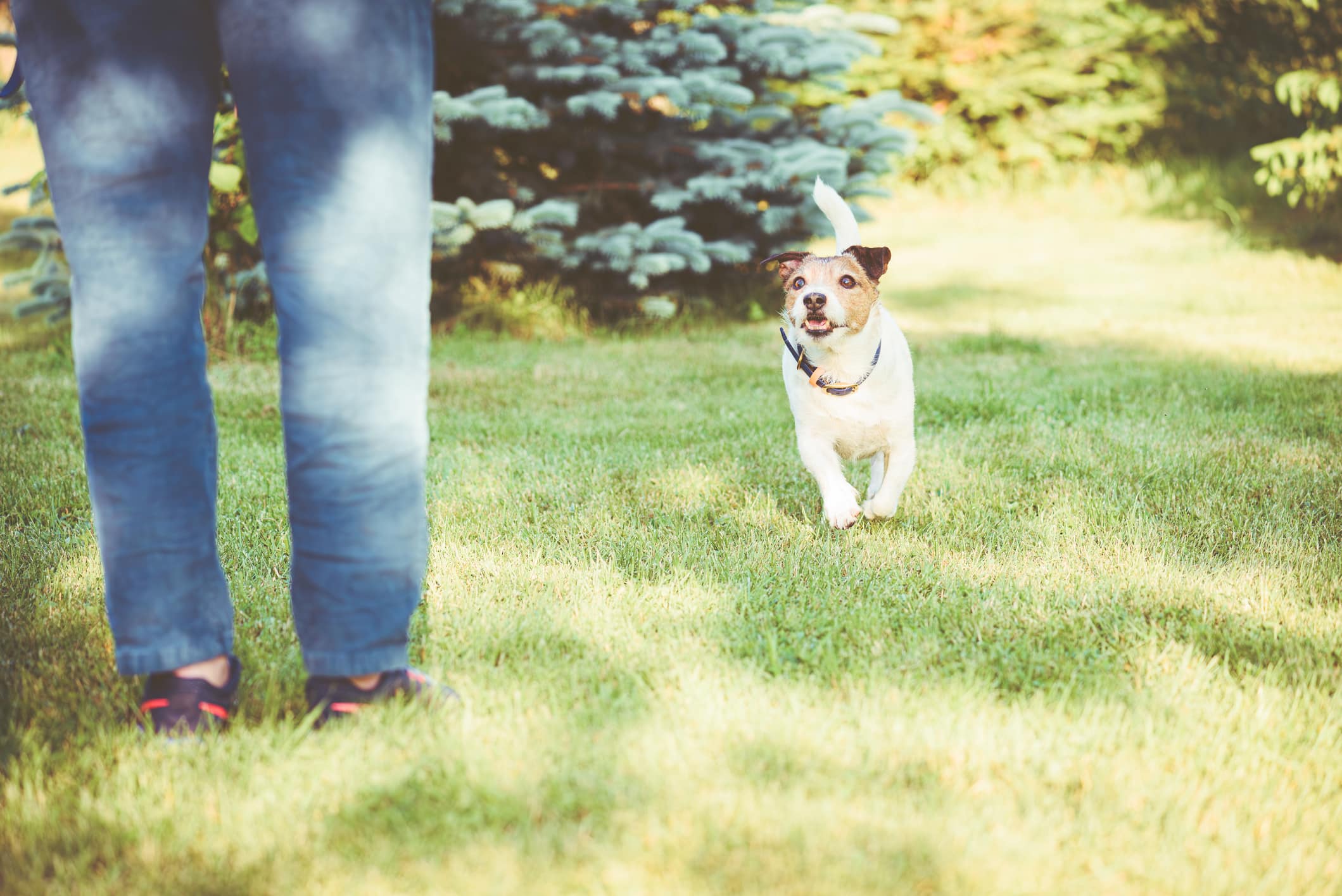
- Recall foundations. Start indoors with a word you protect and pay heavily. Our guide on teaching a dog to come when called walks through the whole progression.
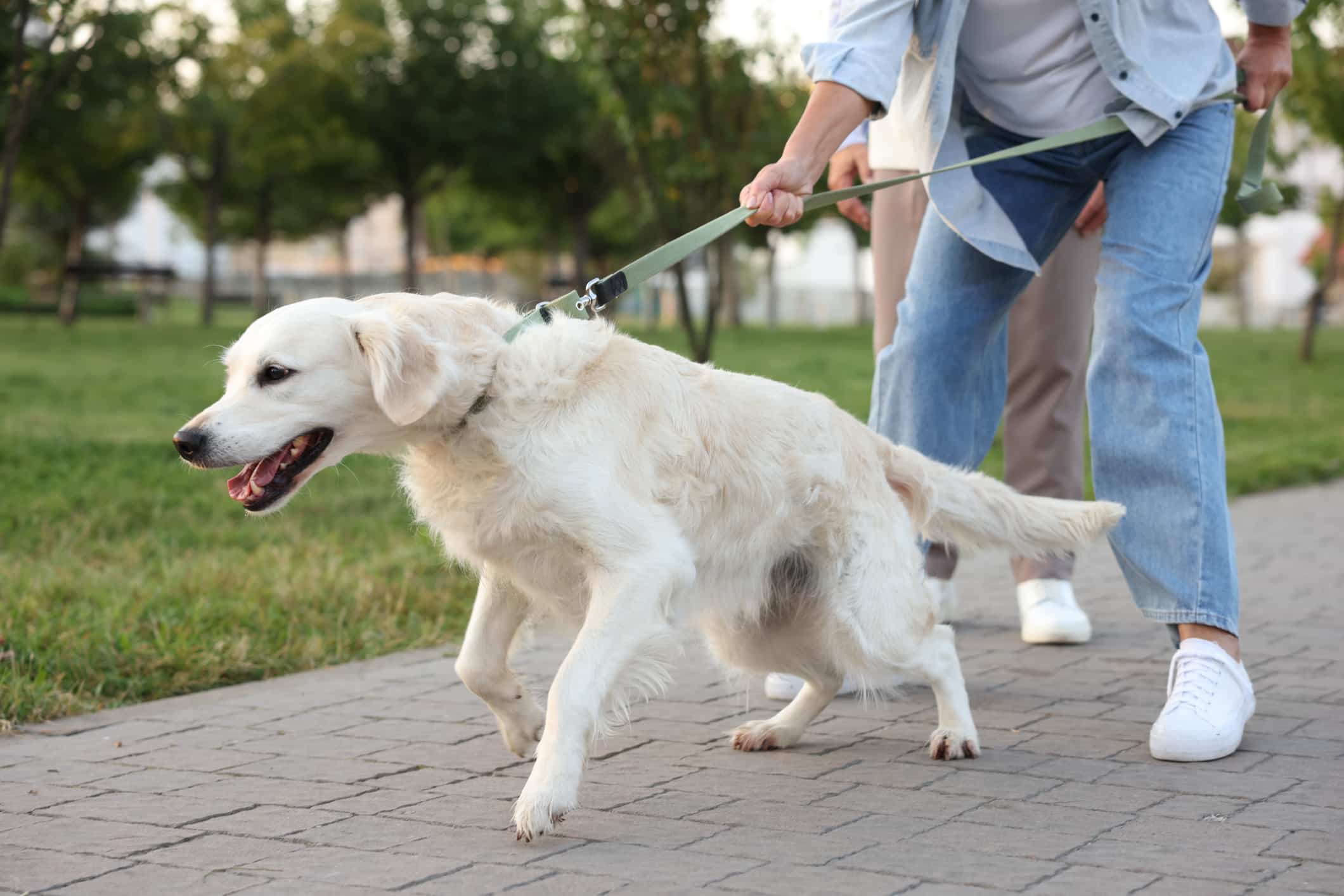
- Loose leash walking. Many rescues have never walked nicely on a leash. Teach it like the dog knows nothing, because it may know nothing.
Assume your rescue was never trained, even if the shelter said otherwise. If the dog already knows something, you lose nothing by reteaching it. If it does not, you avoid weeks of confusion and blame.
The First Month Is Supposed to Feel Messy
Accidents, pacing, hiding under the table, ignoring you: almost all of it is stress, not personality. You did not adopt the wrong dog, and you do not have to figure it out alone.
Dog Dynamix works with newly adopted dogs every week, from private lessons in your home to a full board and train reset.
Common Rescue Dog Problems (and Where to Start)
Three issues show up in rescue dogs more than anywhere else. Separation and general anxiety respond to structure, crate work, and confidence building, and our dog anxiety training in Denver is built for exactly that. Leash reactivity, lunging and barking at dogs or people, is common in dogs with patchy socialization histories; start with how to fix dog reactivity. And house training often needs a full restart, even in adult dogs; treat your rescue like a puppy for two weeks and read our guide to potty training regression if progress stalls.
One warning: give behavior problems 30 days of structure before you label them permanent. A huge share of “issues” in the first month are stress, not personality.
When to Bring in a Professional
Call a trainer early if you see guarding, bite history, fear that is not improving, or reactivity that makes walks miserable. Early help is cheaper and faster than six months of rehearsed problems.
Dog Dynamix is a dog training company serving Denver, Littleton, Lakewood, and the Front Range, and rescue dogs are a big part of our caseload. For dogs that need a full reset, board and train rebuilds habits in an immersive setting, typically $3,000 to $6,000 in Denver. Our Door to Door day training program picks your dog up from home, trains through the day, and returns it with homework, so the training transfers to your house. Private lessons work well for owners who want coaching from the start. Current pricing is on our pricing page, reviews are on Google, and we answer the phone at (720) 500-2525.
More Denver Dog Training Guides
Everything else worth reading before you choose a program.
- Recall Training: How to Teach Your Dog to Come When CalledThe skill that keeps a newly adopted dog safe long before it earns freedom.
- Potty Training RegressionWhy house training falls apart in a new home and how to restart it.
- How to Fix Dog ReactivityLeash reactivity is common in rescues with patchy socialization. Start here.
Frequently Asked Questions About Rescue Dogs
How long does it take a rescue dog to adjust?
Expect about three months before the dog truly settles, with the 3-3-3 rule as a rough guide. Confident dogs adjust faster, shut down or under socialized dogs take longer. Steady routine shortens the timeline more than anything else you can do.
Is it ever too late to train a rescue dog?
No. Adult and senior dogs learn obedience just as well as puppies, and often faster, because they have better attention spans. What takes longer in older dogs is changing emotional responses like fear and reactivity. The behaviors are trainable at any age; the timeline just stretches.
Should I crate train an adult rescue dog?
Yes, in almost every case. A crate prevents destructive mistakes while the dog settles, gives an anxious dog a den to retreat to, and makes house training dramatically easier. Introduce it with food and patience rather than force, and most adult dogs accept it within a week or two.
What if I know nothing about my rescue dog’s history?
Train the dog in front of you. History explains behavior but does not change the plan: structure, obedience, and gradual exposure work whether the dog came from a loving home or a rough one. Spending energy guessing about the past mostly produces excuses in the present.
Is board and train good for rescue dogs?
Often, yes. An immersive program builds skills and confidence quickly, and a good one trains you at handoff so the results survive at home. For recently adopted dogs we usually recommend a few weeks of settling in first, so the dog bonds with your household before going off to school.
Give Your Rescue the Reset Button
Tell us where your dog came from and what the first weeks have looked like. We will map the fastest route to a calm, trained family dog.