Good dog park etiquette comes down to three things: watch your dog, know the rules, and leave before trouble starts. Denver has 17 off leash dog parks, and they work best when owners stay off their phones, recall their dogs out of rude play, and pick up every mess. Below are the official Denver rules, the 12 unwritten rules regulars expect you to know, and an honest look at whether the dog park is right for your dog at all.
Key Points: Dog Park Etiquette in Denver
- Denver has 17 free off leash dog parks. Dogs need a license, a rabies vaccine, and spay or neuter unless they hold an intact permit.
- Watch your dog, not your phone. Most incidents start while someone is looking down.
- Good play trades roles. Pinning, mounting and cornering are not play. Call your dog off.
- Leave toys, food and under-vaccinated puppies at home.
- Leave early, while the visit is still going well.
- Cherry Creek and Chatfield off leash areas require voice control and a pass.
Denver Dog Park Rules: The Official Ones
Denver Parks and Recreation runs 17 off leash dog parks, including Berkeley, Carla Madison, Fuller, Kennedy, Railyard, and Barnum. Before etiquette, know the actual rules:
- Dogs must be spayed or neutered, or have a current Denver intact permit.
- Dogs need a current rabies vaccination and Denver dog license, with tags on the collar.
- One person may handle no more than two dogs at a time.
- Dogs stay leashed until they are inside the fence, and go back on leash before they leave.
- Unlighted parks are open sunrise to sundown. Railyard, the only lighted dog park, is open 5am to 11pm.
Outside the dog park fence, Denver is a leash city. Off leash dogs are one of the most common park complaints in Denver, so save the freedom for the fenced areas and legal off leash spots.
The 12 Unwritten Rules of Dog Park Etiquette
- Watch your dog, not your phone. Most dog park problems happen while an owner is looking down.
- Know what healthy play looks like. Good play has role reversals: chaser becomes chased, wrestler ends up on the bottom. One dog relentlessly pinning, mounting, or cornering another is not play.
- Call your dog off rude behavior. If your dog is the one doing the pinning or stalking, interrupt it. “They will work it out” is how fights start.
- Keep moving. Walking the park instead of clustering at the gate spreads dogs out and lowers tension.
- Do not crowd the entrance. A pack of dogs mobbing the gate is the most stressful moment for a dog walking in. Call your dog away when someone new arrives.
- Leave the toys and food at home. High value items create guarding problems between dogs that just met.
- Pick up every mess, every time. Bring your own bags and grab one extra pile if you see it.
- Do not bring a dog in heat, a sick dog, or a very young puppy. Puppies should finish their vaccinations before they set foot in a dog park.
- Ask before you touch or feed someone else’s dog.
- Advocate for your dog. If your dog is hiding under a bench or glued to your legs, it is not having fun. Leave.
- Do not punish growling. A growl is information. Separate the dogs and change the situation instead of scolding the warning away.
- Quit while you are ahead. Ten good minutes beat forty tense ones. Leave before your dog gets tired, cranky, or obsessed.
If Your Dog Hates the Dog Park, Nothing Is Wrong With Your Dog
Plenty of good dogs simply do not enjoy a crowd of strangers. Forcing it teaches the wrong lessons, and one bad fight can take months of training to undo.
Dog Dynamix runs daycare with training in Denver, where play happens in managed groups with trainers reading every interaction.
Is the Dog Park Right for Your Dog?
Dog parks are for social, confident dogs with decent recall. They are the wrong place for fearful dogs, dogs that guard toys or people, puppies mid vaccination, and dogs that practice bullying or get bullied. One bad fight can create reactivity that takes months of training to undo.
If your dog needs exercise and social time but the dog park is a gamble, structured alternatives work better: daycare with training gives your dog supervised play with trainers managing the room, and a dog with a trained recall can earn real freedom on Colorado trails instead of inside a fence.
Beyond the Fence: State Park Off Leash Areas
When your dog is ready for more room, Cherry Creek State Park and Chatfield State Park both run large dog off leash areas. Both require a park pass for your vehicle plus a separate off leash area pass; at Chatfield that pass is $3 a day or $25 a year as of this writing. Dogs must stay under voice control, you can handle up to three dogs, and a leash goes back on outside the area. Voice control is the entry fee your training pays. If your recall is not there yet, our guide on teaching your dog to come when called is the place to start.
A Trainer’s Take from Dog Dynamix
Dog Dynamix is a dog training company serving Denver, Littleton, Lakewood, and the Front Range. We spend a lot of time with dogs whose problems started at a dog park, and almost all of those stories begin the same way: nobody was watching, and nobody left early. If your dog needs better manners, recall, or confidence around other dogs, our Denver dog training programs and daycare with training build exactly that. Read reviews on Google or call (720) 500-2525.
More Denver Dog Training Guides
Everything else worth reading before you choose a program.
- Recall Training: How to Teach Your Dog to Come When CalledVoice control is the entry fee for the state park off leash areas. Build it here.
- How to Fix Dog ReactivityWhat to do when a dog park experience leaves lunging and barking behind.
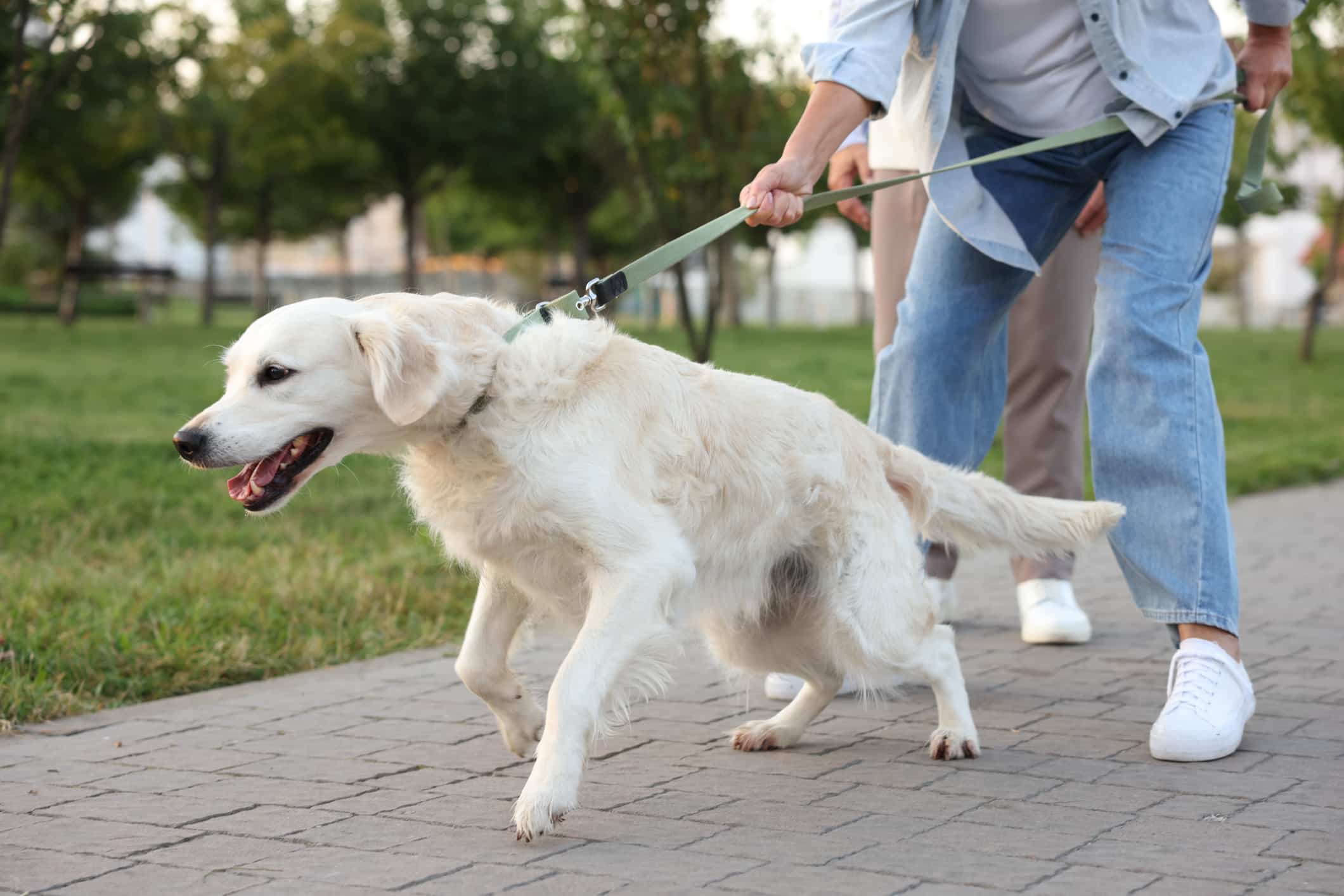
- How to Stop Your Dog Pulling on the LeashCalm on the way in sets up calm inside the fence.
Frequently Asked Questions About Denver Dog Parks
Are Denver dog parks free?
Yes. Denver’s 17 off leash dog parks are free to use. Your dog needs a current Denver license and rabies vaccination, and intact dogs need a Denver intact permit. The state park off leash areas at Cherry Creek and Chatfield charge for both vehicle entry and an off leash pass.
What age can a puppy go to the dog park?
Wait until your puppy has finished its full vaccination series, usually around 16 weeks, and even then be choosy. A scary experience during a puppy’s critical socialization window can echo for years. Controlled puppy socialization beats the dog park lottery at that age.
What should I do if another dog is bullying mine?
Get your dog and leave. You will not win an argument with a stranger about their dog, and your dog should not pay the price while you try. If a fight breaks out, do not grab collars near the head; make noise, interrupt with a barrier if one exists, and separate the dogs as safely as you can.
Why does my dog ignore me at the dog park?
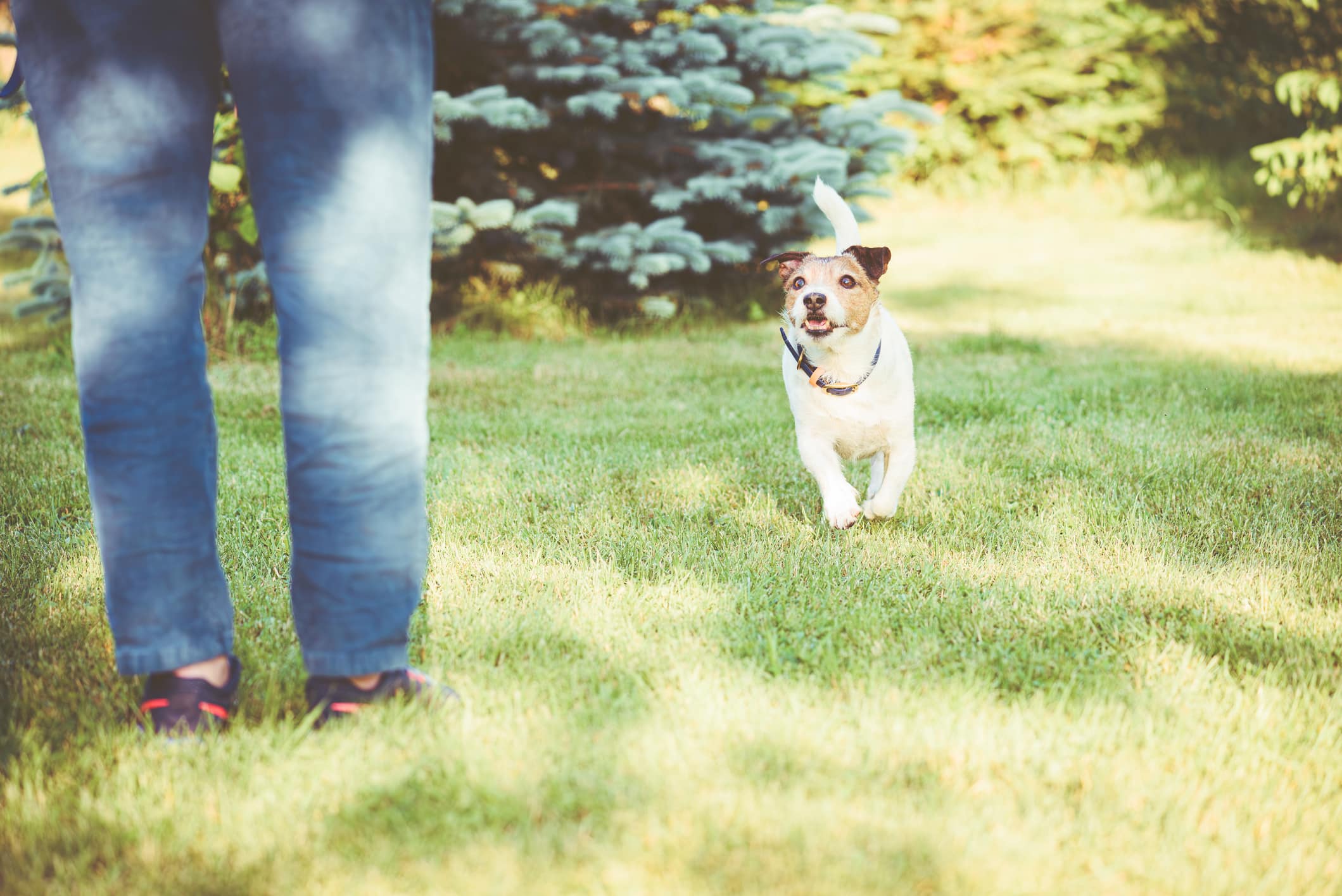
Because the park is the most exciting place in its week and your recall has not been trained at that level. Practice recalls with a long line in quieter places first, pay heavily, and release the dog back to play so coming to you does not mean the fun is over.
What are the best alternatives to dog parks in Denver?
Structured daycare with training, hiking with a trained recall, long line sessions in open parks, and walking groups with well matched dogs. Many dogs that hate dog parks thrive with one or two familiar dog friends instead of a rotating crowd of strangers.
Freedom Without the Gamble
A trained recall opens trails, open space and the state park off leash areas, with or without the dog park. We can get your dog there.