To teach your dog to come when called, start indoors, pair one recall word with the best food you own, and never call your dog for anything it dislikes. Pay every single recall like it just won the lottery, use a long line before you trust it off leash, and add distance and distraction gradually. In Colorado, where trails and off leash areas are everywhere, recall is the most important skill your dog will ever learn.
Key Points: Recall Training
- Protect one recall word. Never use it for baths, nail trims or leaving the park.
- Pay every recall like a jackpot, then release the dog back to the fun.
- Raise distance or distraction, never both at once.
- Use a long line for weeks, not days, before trusting your dog off leash.
- Never punish a dog for arriving, no matter what came before it.
- Colorado off leash areas require voice control, so recall is the ticket to real freedom.
Why Recall Matters More in Colorado
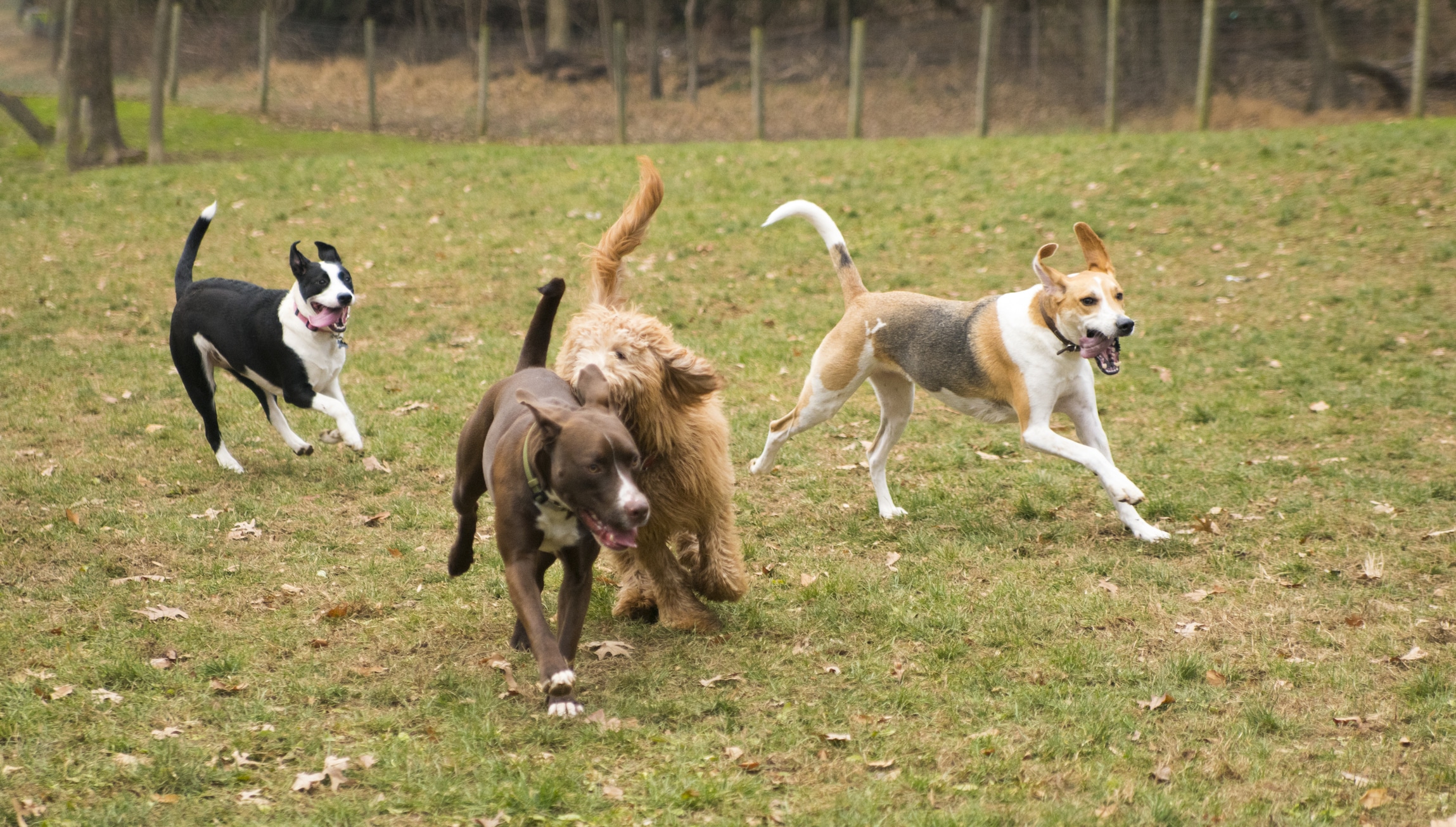
Front Range dog owners live outside. Between hiking trails, campgrounds, and the dog off leash areas at Cherry Creek and Chatfield State Parks, your dog gets more chances at legal freedom here than almost anywhere in the country. Both state park off leash areas require dogs to be under voice control, which means one thing: if your dog does not come when called, your dog is not ready for them.
There is also a safety layer. Wildlife, mountain bikers, cliff edges, and frozen water in winter all punish a blown recall. A dog that comes when called gets a bigger life: more trails, more freedom, more adventure with you.
How to Teach Your Dog to Come When Called
Step 1: Pick one word and protect it
Choose a single recall word, like “come” or “here,” and treat it as sacred. Never use it to end fun, start a bath, or clip nails. If you call your dog and then do something the dog hates, you just taught it that the word predicts bad news. For everyday situations, use the dog’s name. Save the recall word for moments you can pay big.
Step 2: Pay like you mean it
Recall is an economy. Coming to you has to beat squirrels, smells, and other dogs, so pay accordingly: real chicken, cheese, a favorite toy, and a party when the dog arrives. Feed for several seconds, then release the dog back to what it was doing. A recall that always ends the fun is a recall your dog learns to avoid.
Step 3: Build from boring to busy
Start in a hallway, then the backyard, then the front yard, then a quiet park. Only raise one thing at a time: distance or distraction, never both at once. If your dog fails twice in a row, the environment is too hard. Move back a step and bank more wins.
Step 4: Use a long line, not hope
A 20 or 30 foot long line is the bridge between leash and freedom. It lets your dog feel free while you keep the ability to prevent mistakes. Practice recalls on the line for weeks, not days, in every environment you plan to use off leash. Freedom is earned in boring repetitions.
Step 5: Never punish the arrival
Whatever happened before, the moment your dog reaches you is a good moment. Scold a dog that finally came back after five minutes of ignoring you and the lesson it learns is that coming back is dangerous. Pay the arrival, then manage the situation better next time.
A Blown Recall Is Information, Not a Character Flaw
Every dog that ignores a recall is saying the same thing: the environment pays better than the word does, for now. That is fixable at any age, and it does not mean your dog is stubborn.
Dog Dynamix builds recall from the backyard to open Colorado trails in our off leash dog training program, and recall work runs through board and train and Door to Door as well.
Common Recall Mistakes
The big four: repeating the word (“come, come, COME”) until it means nothing, only calling the dog when fun is about to end, going off leash months too early, and paying with a dry biscuit for ignoring a live rabbit. Every one of these teaches your dog that the recall word is optional. Say it once, make it pay, and set up situations where the dog cannot rehearse ignoring you.
From Long Line to Off Leash Freedom
Off leash reliability is a different standard than backyard recall. It means your dog responds the first time around deer, dogs, and people, with no line attached. For many dogs, modern low level e-collar conditioning, layered on top of a recall the dog already knows and loves, is what makes that reliability honest at distance. Done well, the collar becomes a whisper, not a threat. This is the heart of our off leash dog training program in Denver.
How Dog Dynamix Builds Reliable Recall
Dog Dynamix is a dog training company serving Denver, Littleton, Lakewood, and the Front Range. Recall is the backbone of our off leash training, our board and train programs, and our Door to Door day training program, where we pick your dog up from home and train real world skills in real Colorado environments. Program pricing is on our pricing page, board and train typically runs $3,000 to $6,000 in Denver, and you can read client reviews on Google or call (720) 500-2525.
More Denver Dog Training Guides
Everything else worth reading before you choose a program.
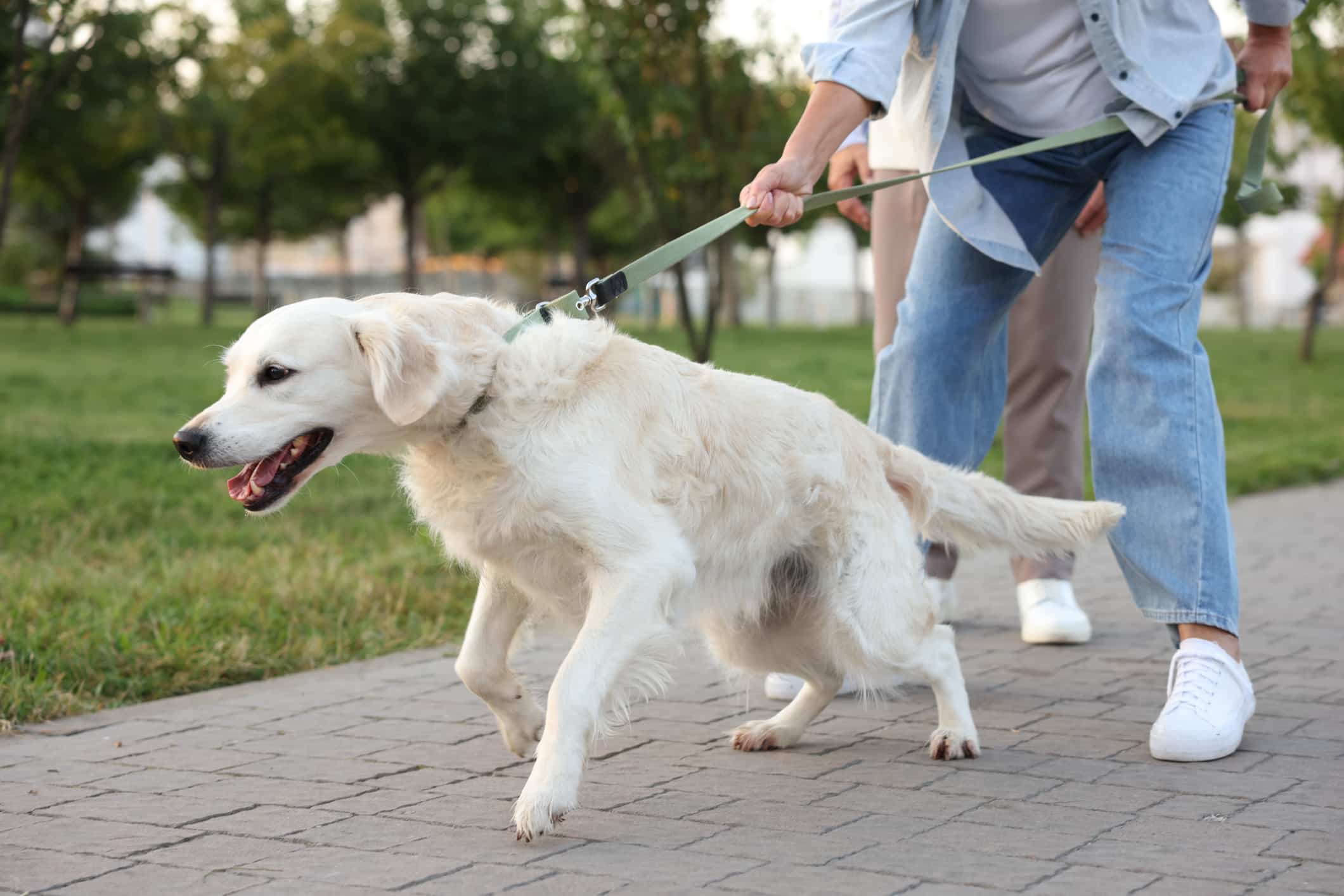
- How to Stop Your Dog Pulling on the LeashLoose leash walking is the foundation recall gets built on.
- Dog Park Etiquette in DenverThe rules, the unwritten rules, and when the dog park is the wrong call.
- Skiing With Your Dog in ColoradoWhere a trained recall takes you once winter arrives.
Frequently Asked Questions About Recall Training
How long does recall training take?
A solid recall in low distraction settings takes a few weeks. True off leash reliability around wildlife and other dogs usually takes three to six months of progressive work. Dogs with months of practice ignoring their owners take longer, because you are retraining a word that lost its meaning.
What age can I start recall training?
The day your puppy comes home. Eight week old puppies naturally follow people, which makes early recall wins easy to create. Pair the word with food and play from the start, and you build a habit before adolescence arrives to test it.
My dog comes at home but not at the park. Why?
Because the park pays better than you do, and your dog has not been trained at that level of distraction. Go back to a long line at the park, close the distance, raise your pay, and rebuild. A recall only exists in the environments where it has been practiced.
Should I use an e-collar for recall?
An e-collar can create real off leash reliability, but only layered on a recall the dog already understands and enjoys, and only with proper conditioning at low levels. Used as a shortcut or a punishment device, it damages the exact behavior you are trying to build. If you are considering one, work with a trainer who can show you the process in person.
What do I do if my dog runs off?
Do not chase. Run the other way, crouch, clap, make exciting noises, or open a car door, since most dogs cannot resist a car ride. When the dog reaches you, pay it, no matter how frustrated you are. Then go back to the long line, because the dog just told you it was not ready.
Build a Recall That Holds Around Deer and Dogs
Our trainers prove recalls in real Colorado environments before your dog ever goes off leash. See what each program costs or give us a call.